

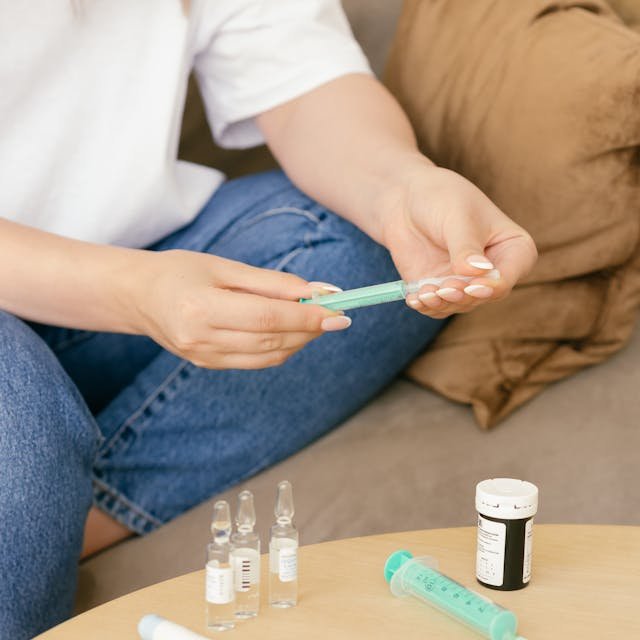


What Are Weight Loss Pens? A Complete Beginner’s Guide to GLP-1 Injections
Weight loss pens have become one of the most discussed medical wellness innovations in modern body weight management. From semaglutide medications like Wegovy to tirzepatide compounds such as Zepbound, GLP-1 injections are increasingly being explored by individuals seeking structured appetite support and sustainable long-term body composition strategies.
This complete beginner’s guide explains what weight loss pens are, how GLP-1 injections work, who qualifies, how injections are administered, potential side effects, and what beginners should realistically expect during the first month.
Interest in GLP-1 medications continues expanding rapidly as obesity management, appetite regulation, metabolic wellness, and sustainable body weight strategies become increasingly important within modern healthcare discussions.
At Aesthetics Fitness, educational wellness resources help consumers better understand peptide-based wellness systems, appetite support compounds, and structured weight management approaches.
Table of Contents
- What Are Weight Loss Pens?
- How GLP-1 Injections Work
- How Weight Loss Pens Differ From Insulin
- Popular GLP-1 Weight Loss Pens
- Who Qualifies?
- How To Use a Weight Loss Pen
- What To Expect in the First 30 Days
- Common Side Effects
- Beginner Success Tips
- Frequently Asked Questions
What Are Weight Loss Pens?
Weight loss pens are injectable medications commonly prescribed within medically supervised body weight management programs. Most modern weight loss injections contain medications classified as GLP-1 receptor agonists or dual GIP/GLP-1 receptor agonists.
These medications are usually delivered through prefilled auto-injector devices designed to simplify weekly injections for beginners.

Many people refer to these medications broadly as “GLP-1 injections” because they influence glucagon-like peptide-1 signaling pathways involved in appetite regulation, satiety response, digestion speed, and metabolic function.
How GLP-1 Weight Loss Pens Work
GLP-1 medications interact with hormonal pathways responsible for appetite regulation, digestion speed, insulin response, and satiety signaling.
GLP-1 stands for glucagon-like peptide-1, a naturally occurring hormone released by the digestive system after food intake. Researchers continue studying how GLP-1 receptor agonists influence body weight regulation and metabolic wellness.

Weight loss pens are commonly associated with:
- Reduced appetite signaling
- Earlier feelings of fullness
- Slower gastric emptying
- Reduced food cravings
- Improved portion control awareness
- Structured body weight management support
Research published through PubMed continues exploring the long-term effects of GLP-1 medications on obesity management and metabolic health.
Weight loss pens are generally intended to support broader lifestyle changes involving nutrition, movement consistency, hydration, sleep optimization, and sustainable wellness planning.
How Weight Loss Pens Differ From Insulin Pens
Although both use injectable delivery systems, GLP-1 weight loss pens and insulin pens serve very different medical purposes.
| Feature | Weight Loss Pens | Insulin Pens |
|---|---|---|
| Primary Goal | Appetite and body weight management | Blood sugar replacement therapy |
| Main Hormone Pathway | GLP-1 or GIP/GLP-1 | Insulin |
| Typical Frequency | Weekly injections | Daily or multiple daily injections |
| Common Purpose | Obesity management | Diabetes treatment |

Popular FDA-Approved Weight Loss Pen Options
Several FDA-approved medications are now widely recognized within weight management discussions.
Semaglutide
Semaglutide is a GLP-1 receptor agonist commonly associated with Wegovy and Ozempic. Clinical studies have demonstrated substantial body weight reduction when semaglutide is combined with lifestyle intervention strategies.
Tirzepatide
Tirzepatide differs because it activates both GLP-1 and GIP pathways simultaneously. Medications such as Zepbound and Mounjaro contain tirzepatide.
Some clinical trials suggest tirzepatide may produce greater average body weight reduction compared to certain earlier GLP-1-only medications.
Safety updates and prescribing information can be reviewed through the FDA.
Who Qualifies for Weight Loss Pens?
Eligibility for GLP-1 weight loss medications usually depends on BMI, health history, obesity-related risk factors, and physician evaluation.
Healthcare providers commonly evaluate:
- BMI of 30 or higher
- BMI of 27 or higher with obesity-related health conditions
- History of difficulty maintaining long-term weight reduction
- Metabolic risk factors

Examples of obesity-related conditions sometimes considered include:
- Type 2 diabetes
- Sleep apnoea
- Hypertension
- Cardiovascular risk factors
- Metabolic syndrome
How To Use a Weight Loss Pen
Modern auto-injector pens are designed to make injections easier for beginners.
Common Injection Sites
- Abdomen
- Upper thigh
- Upper arm
Basic Injection Steps
- Wash your hands thoroughly.
- Inspect the medication pen.
- Select and clean the injection site.
- Position the injector against the skin.
- Press the activation button.
- Hold the pen in place for several seconds.
- Dispose of the injector safely.

Always follow manufacturer instructions and medical guidance before beginning any injectable medication routine.
What To Expect During the First 30 Days
The first month on a weight loss pen is usually focused on adaptation and dose adjustment rather than dramatic transformation.
Many individuals begin with lower introductory doses designed to reduce digestive side effects while allowing the body to adapt gradually.
- Week 1: Mild appetite changes may begin
- Week 2: Portion control may feel easier
- Week 3: Cravings may begin decreasing
- Week 4: Lifestyle consistency often becomes easier to maintain
GLP-1 medications typically support gradual progress over several months rather than immediate dramatic weight reduction.
Common Side Effects of Weight Loss Pens
Digestive symptoms are among the most commonly discussed side effects associated with GLP-1 medications.
- Nausea
- Vomiting
- Constipation
- Diarrhea
- Bloating
- Reduced appetite
- Temporary fatigue
These effects often improve as the body adapts to dose escalation.
Individuals experiencing severe symptoms should contact qualified healthcare professionals immediately.
You can also explore our detailed guide on Weight Loss Pen Side Effects.
Beginner Success Tips for GLP-1 Weight Loss Pens
- Prioritize protein intake
- Drink enough water daily
- Avoid highly greasy meals
- Maintain movement consistency
- Track appetite and symptoms
- Follow structured dosing schedules
- Prioritize long-term habit building
Additional beginner guides include:
- The Best Diet to Follow While Using a Weight Loss Pen
- Exercise and Weight Loss Pens
- Understanding Your Dosing Schedule
Explore Advanced Weight Management Solutions
Browse peptide-based wellness compounds, appetite support products, and structured weight management solutions available through Aesthetics Fitness.
Frequently Asked Questions About Weight Loss Pens
What are weight loss pens?
Weight loss pens are injectable medications commonly containing GLP-1 receptor agonists designed to support appetite regulation and body weight management.
How quickly do GLP-1 injections work?
Many users notice appetite-related changes within several weeks, although substantial body weight changes often develop gradually over several months.
Do weight loss pens replace diet and exercise?
No. Sustainable results still depend heavily on nutrition quality, physical activity, hydration, sleep, and long-term consistency.
Are weight loss pen injections painful?
Most users describe injections as minimally uncomfortable due to the very small needles used in modern auto-injector pens.
Final Thoughts
Weight loss pens continue reshaping modern conversations surrounding obesity management, appetite regulation, and sustainable body composition support. As clinical research expands, more individuals are exploring GLP-1 medications within medically supervised wellness strategies designed for long-term success.
When combined with balanced nutrition, hydration, physical activity, sleep optimization, and realistic expectations, GLP-1 weight loss medications may support structured body weight management and broader wellness planning goals.
Disclaimer
This article is intended for educational purposes only and should not replace professional medical advice, diagnosis, or treatment. Individuals should consult qualified healthcare professionals before beginning any medication or wellness-focused strategy.