



Weight Loss Pens and Diabetes: 9 Critical GLP-1 Facts Every Diabetic Patient Should Know
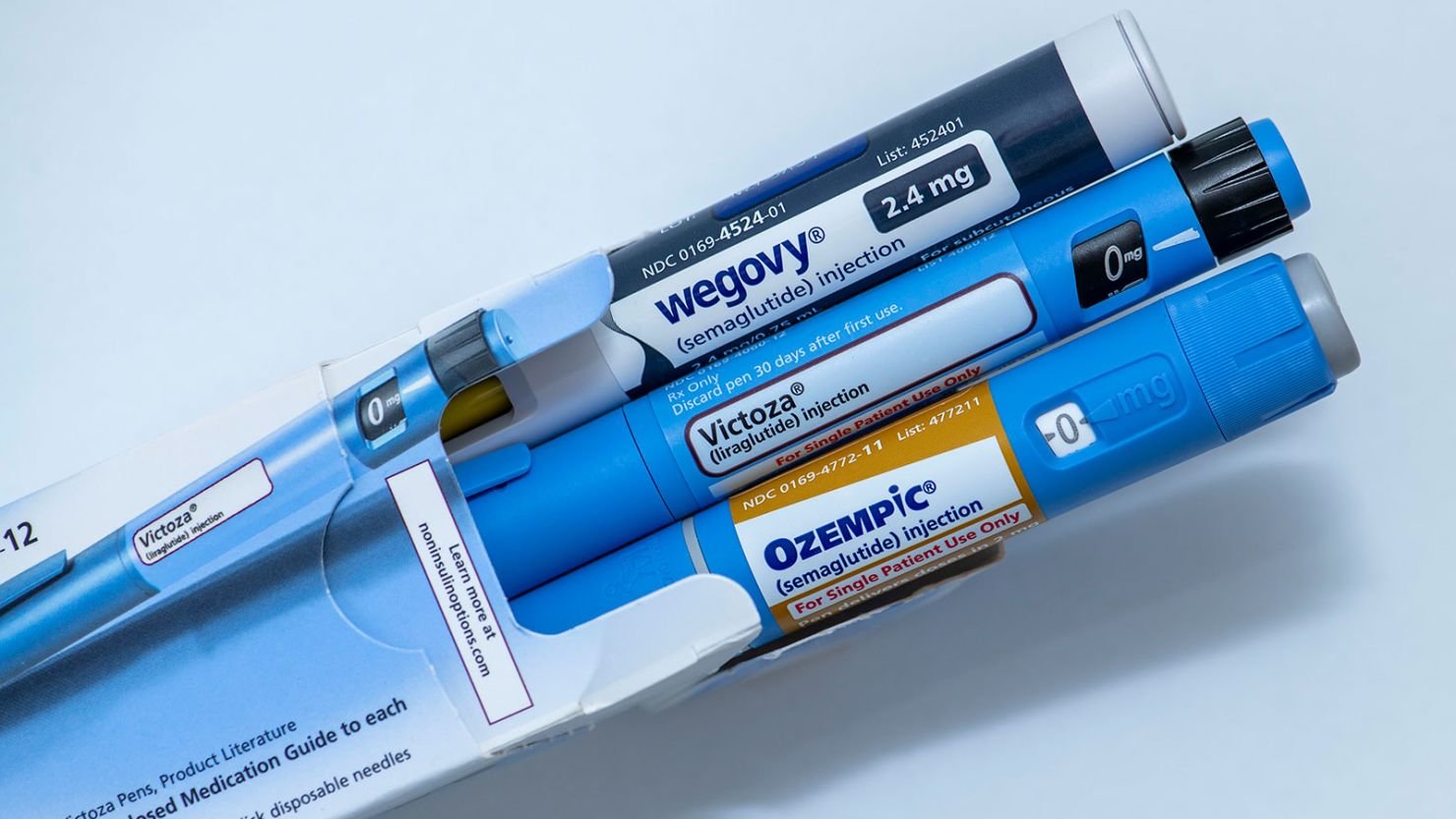
Weight loss pens and diabetes treatment are closely connected because many GLP-1 medications were originally developed to help manage type 2 diabetes before becoming widely recognized for obesity treatment.
Medications such as semaglutide and tirzepatide now play an increasingly important role in blood sugar regulation, appetite control, HbA1c reduction, cardiovascular support, and long-term metabolic health management.
This complete guide explains how GLP-1 medications work for diabetic patients, the differences between diabetes and obesity indications, blood sugar benefits, hypoglycaemia risks, and what diabetic individuals should know before beginning treatment.
Table of Contents
- The Origins of GLP-1 Diabetes Treatment
- How Weight Loss Pens Help Blood Sugar Control
- Semaglutide vs Tirzepatide for Diabetes
- HbA1c Reduction Explained
- Cardiovascular Benefits for Diabetic Patients
- Hypoglycaemia Risks and Safety
- Prediabetes and Off-Label GLP-1 Use
- Coordinating GLP-1s With Diabetes Medication
- Frequently Asked Questions
If you are new to GLP-1 medications, start with our full beginner guide to weight loss pens .
The Origins of Weight Loss Pens and Diabetes Treatment
GLP-1 receptor agonists were initially designed to help manage blood sugar in patients with type 2 diabetes.
Researchers discovered these medications could improve insulin signaling, reduce glucagon release, slow gastric emptying, and help regulate appetite.
Over time, clinical trials also demonstrated significant body weight reduction among many users.
- Ozempic (semaglutide)
- Wegovy (semaglutide)
- Mounjaro (tirzepatide)
- Zepbound (tirzepatide)
Although some medications contain the same active ingredient, their FDA-approved indications may differ.

How Weight Loss Pens and Diabetes Management Work Together
GLP-1 medications support blood sugar management through several biological mechanisms.
- Stimulating insulin release when blood sugar rises
- Reducing glucagon production
- Slowing gastric emptying
- Reducing appetite and calorie intake
- Improving metabolic efficiency
These combined effects often help diabetic patients improve both body weight and glycaemic control simultaneously.
Clinical studies available through PubMed continue demonstrating substantial improvements in blood sugar markers and obesity-related outcomes.
Semaglutide vs Tirzepatide for Diabetes
Semaglutide
Semaglutide is classified as a GLP-1 receptor agonist.
It is commonly associated with medications such as Ozempic and Wegovy.
Semaglutide primarily works through GLP-1 hormone pathways connected to appetite regulation and insulin signaling.
Tirzepatide
Tirzepatide differs because it activates both GLP-1 and GIP pathways simultaneously.
This dual-action mechanism may contribute to stronger blood sugar improvement and greater average body weight reduction in some clinical studies.
Read our complete comparison guide on semaglutide vs tirzepatide .

Understanding HbA1c Reduction With GLP-1 Medications
HbA1c reflects average blood sugar levels over several months and is one of the most important markers used in diabetes management.
Many GLP-1 medications have demonstrated meaningful HbA1c reductions during clinical trials.
| Medication | Primary Pathway | Common Benefits |
|---|---|---|
| Semaglutide | GLP-1 | Blood sugar support and appetite regulation |
| Tirzepatide | GLP-1 + GIP | Enhanced metabolic and weight reduction support |
HbA1c improvements often develop gradually over several months of consistent medication adherence and lifestyle modification.
Weight Loss Pens and Cardiovascular Health in Diabetic Patients
Cardiovascular disease remains one of the biggest long-term concerns associated with type 2 diabetes.
Some GLP-1 medications have demonstrated cardiovascular risk reduction benefits during major clinical trials.
Potential improvements may include:
- Reduced blood pressure
- Improved cholesterol markers
- Lower body weight
- Improved blood sugar stability
- Reduced cardiovascular event risk
The FDA continues updating prescribing and cardiovascular guidance related to GLP-1 medications.

Hypoglycaemia Risk With GLP-1 Medications
GLP-1 medications alone generally carry a lower hypoglycaemia risk compared to some traditional diabetes treatments.
However, risk may increase when combined with:
- Insulin therapy
- Sulfonylurea medications
- Very low calorie intake
- Excessive alcohol use
- Dizziness
- Sweating
- Confusion
- Rapid heartbeat
- Weakness
- Blurred vision
Patients using insulin or multiple glucose-lowering medications should work closely with healthcare professionals when beginning GLP-1 treatment.
Prediabetes and Off-Label GLP-1 Use
Many individuals with prediabetes explore GLP-1 medications because obesity and insulin resistance are strongly connected.
Some healthcare providers may consider GLP-1 medications for patients with:
- Obesity
- Metabolic syndrome
- Insulin resistance
- Elevated cardiovascular risk
- Prediabetes progression concerns
The CDC continues emphasizing the importance of early lifestyle intervention for long-term metabolic health.
Coordinating GLP-1 Medications With Existing Diabetes Treatment
Diabetic patients often use multiple medications simultaneously.
Healthcare providers may need to adjust dosages as body weight and blood sugar improve.
Common Medication Categories That May Require Monitoring
- Insulin
- Metformin
- Sulfonylureas
- SGLT2 inhibitors
- Blood pressure medication
You can also explore our guide on GLP-1 dosing schedules .
What Diabetic Patients Should Expect During the First Months
Many diabetic users notice gradual improvements rather than immediate transformation.
Common early experiences include:
- Reduced appetite
- Lower food cravings
- Improved blood sugar stability
- Gradual fat loss
- Improved energy management
Read our full GLP-1 weight loss timeline guide for detailed weekly expectations.
Explore Advanced Metabolic Wellness Solutions
Browse educational GLP-1 resources, appetite support products, and structured wellness solutions available through Aesthetics Fitness.
Frequently Asked Questions About Weight Loss Pens and Diabetes
Are weight loss pens only for diabetic patients?
No. Many GLP-1 medications are also approved for obesity management in non-diabetic individuals.
Can GLP-1 medications lower HbA1c?
Yes. Many clinical studies show substantial HbA1c reduction during semaglutide and tirzepatide treatment.
Do GLP-1 medications replace insulin?
Not necessarily. Some diabetic patients still require insulin depending on disease severity and physician guidance.
Is hypoglycaemia common with semaglutide or tirzepatide?
Risk is generally lower when GLP-1 medications are used alone but may increase when combined with insulin or sulfonylureas.
Final Thoughts
Weight loss pens and diabetes management are deeply connected because GLP-1 medications influence both blood sugar control and appetite regulation simultaneously.
For many diabetic patients, semaglutide and tirzepatide may support HbA1c reduction, body weight management, cardiovascular health, and long-term metabolic wellness when combined with structured lifestyle strategies.
As clinical research continues evolving, GLP-1 medications are increasingly reshaping modern approaches to obesity and diabetes treatment.
Disclaimer
This article is intended for educational purposes only and should not replace professional medical advice, diagnosis, or treatment. Individuals should consult qualified healthcare professionals before beginning any medication or wellness-focused strategy.